

From Red Mind
to Blue Mind.
Most of us spend a lot of time in a state researchers call Red Mind. Alert, reactive, three steps ahead of where we actually are. It is not always unpleasant, but over time it becomes the default, and the default becomes exhausting.
Blue Mind is what happens when that system settles. Research consistently shows that time near water is one of the most reliable ways to shift the nervous system out of high alert. The question is how to make that shift intentional, repeatable, and something you can carry back into daily life.
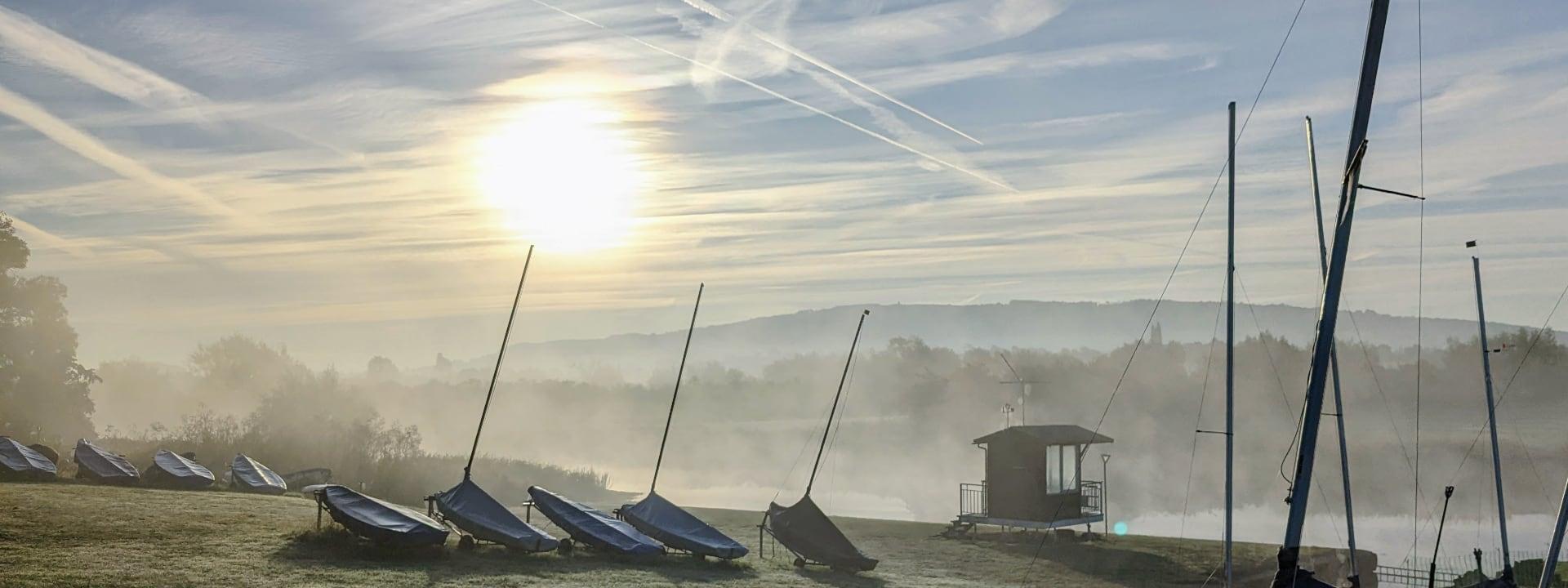
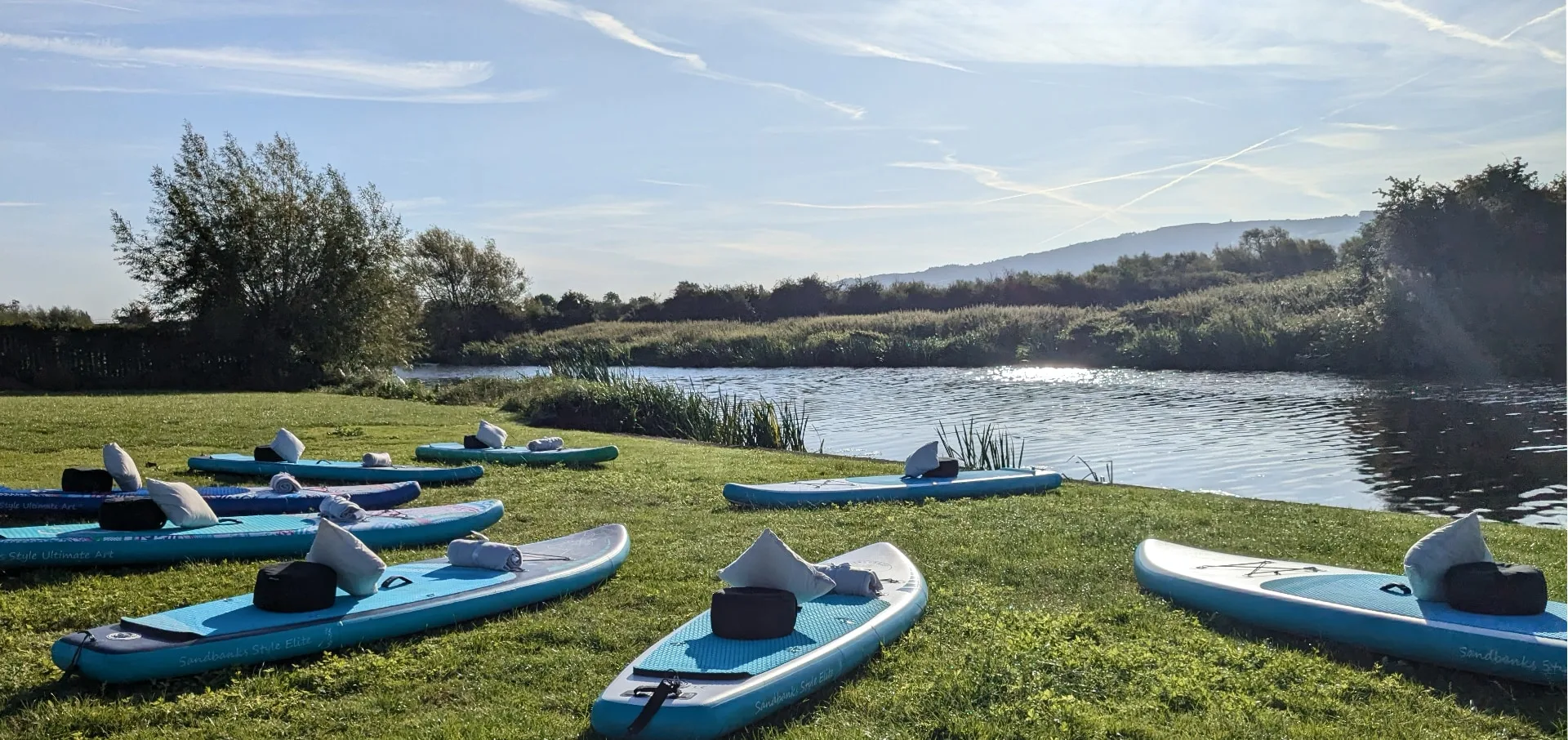
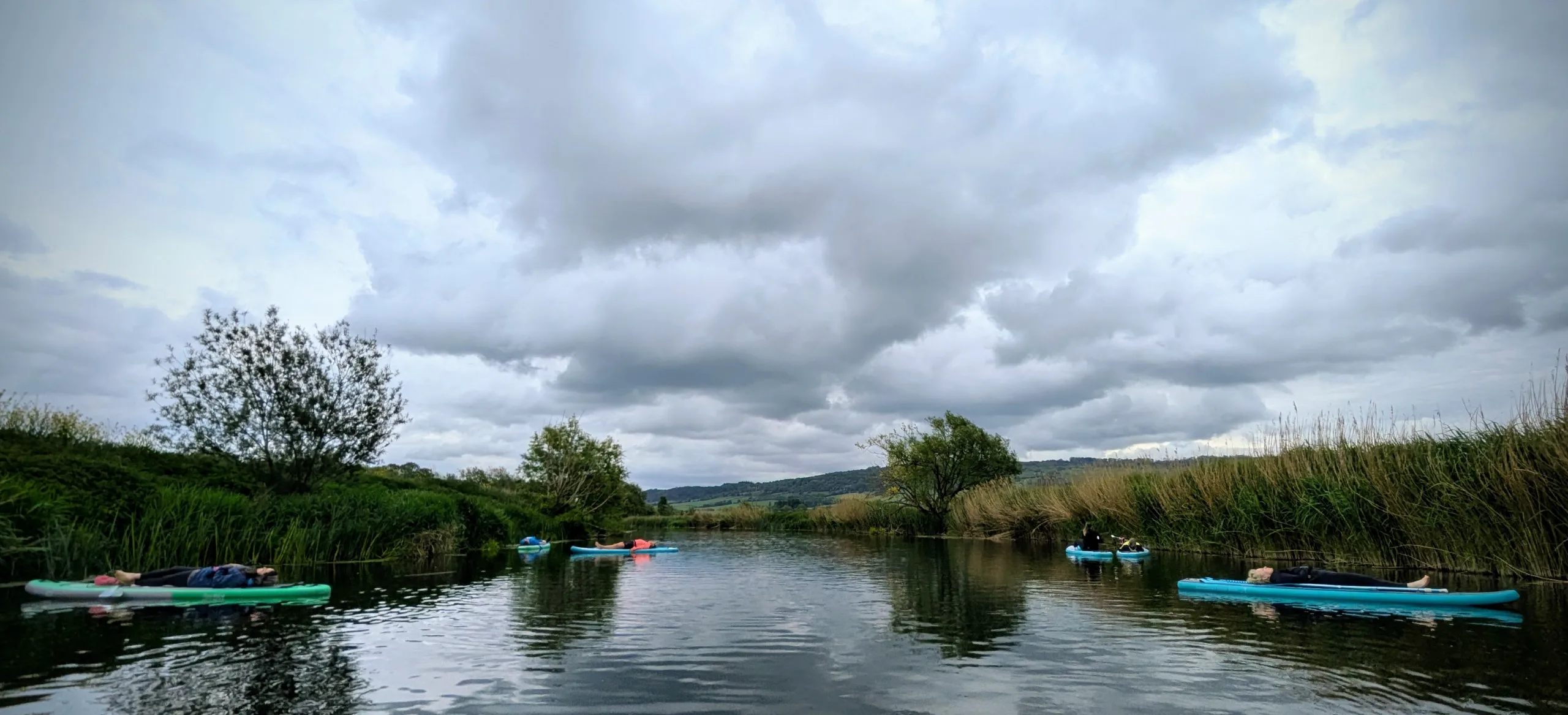
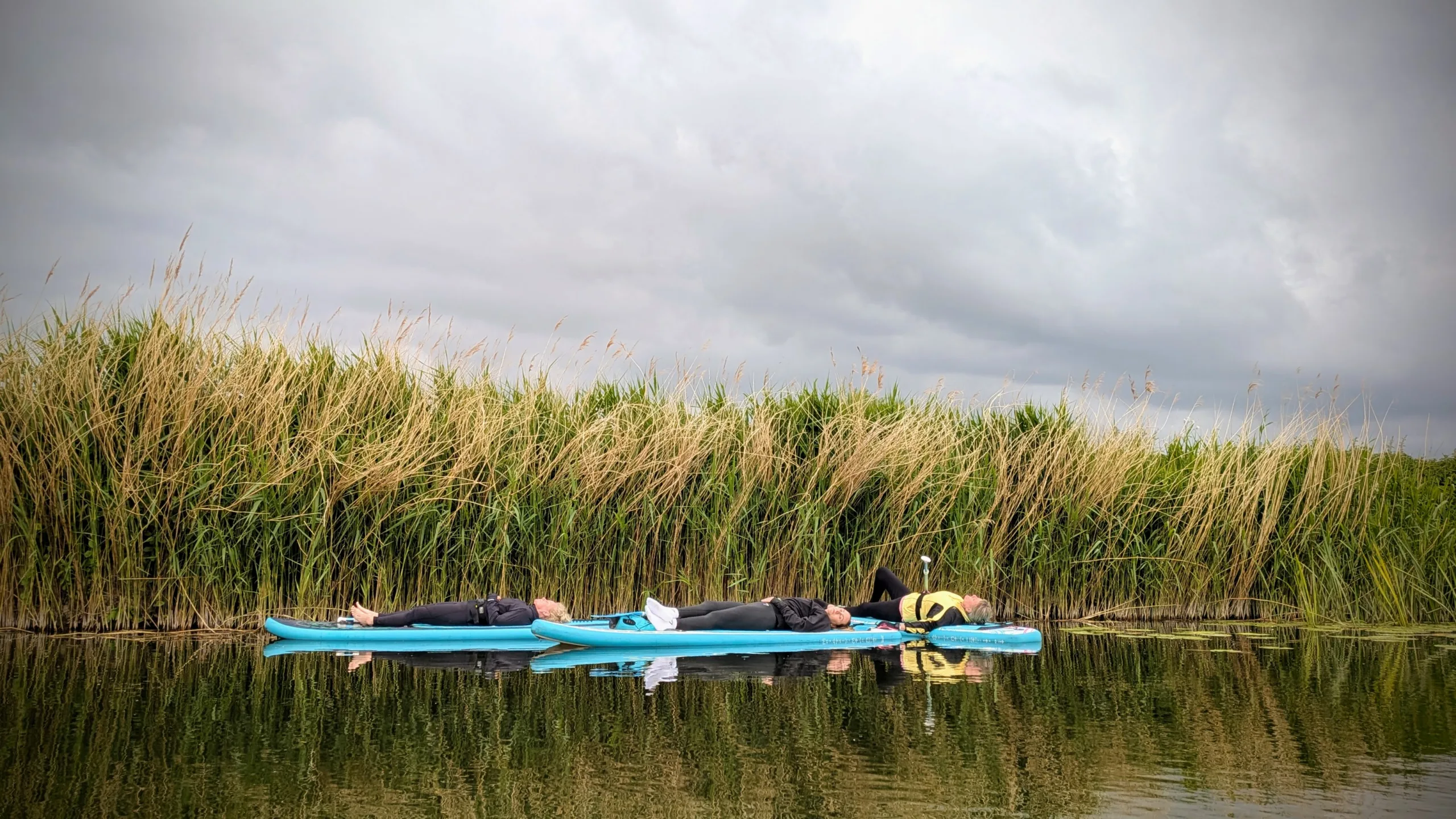
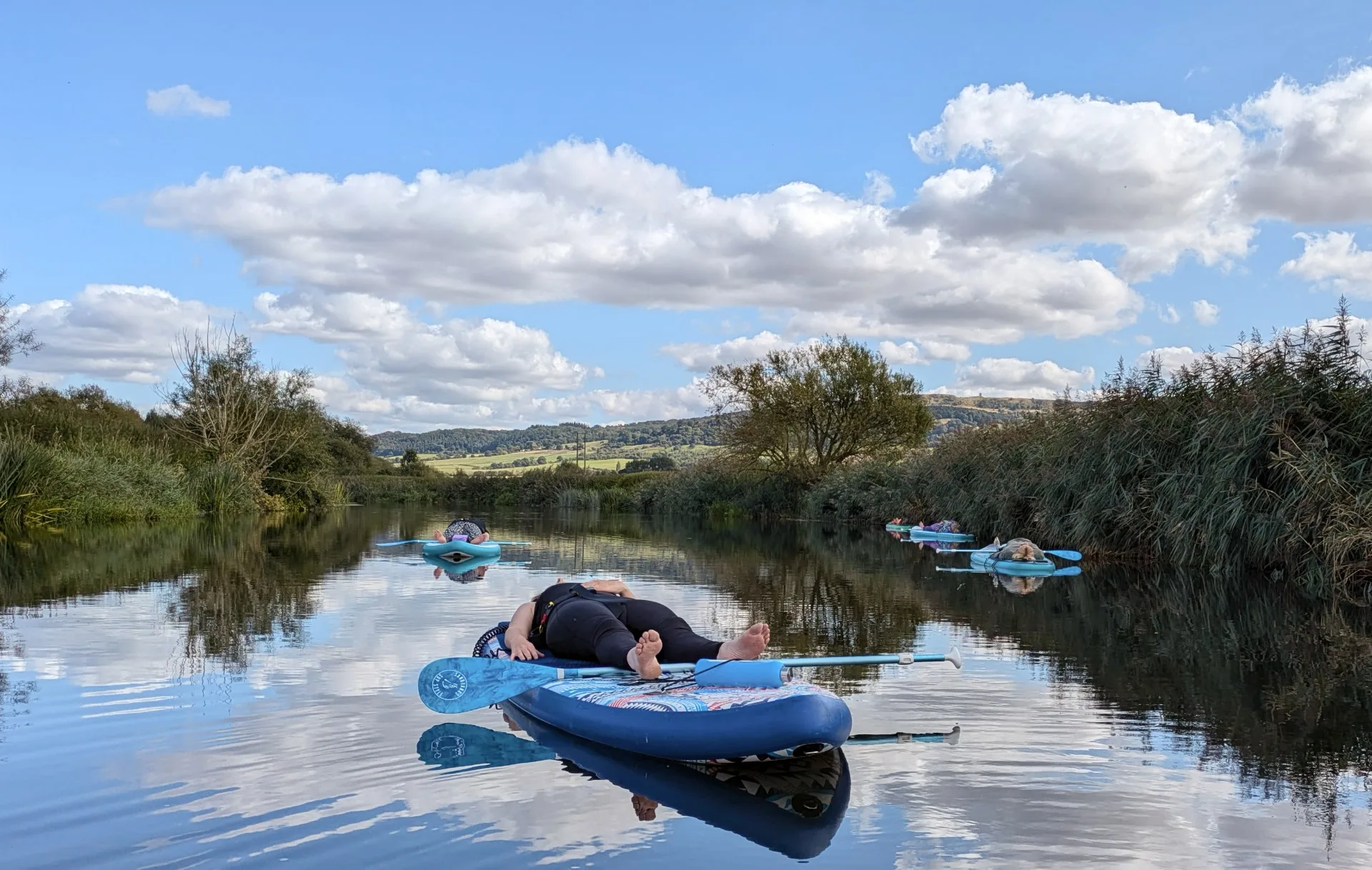
Foundations in Blue Health is a workshop on the River Avon at Defford. A small group of eight meets at the water. We move from the science of Blue Health through to practical mindfulness tools, time on the water, and a set of practices you can take home and keep using. You leave with recordings of those practices, guided by me, so you can carry them on afterwards. All part of the £165.
No prior paddleboarding experience is needed. This is not a SUP technique course. The river is the setting and the medium. The work is about attention, and what happens to the mind when the body is near water.
A practice you take home.
The best-reviewed paddleboard school
in the Midlands.
These reviews mean more to us than we can easily say. We read them on the hard days, and they remind us why we do this.
“The whole experience was so relaxing I had not felt so peaceful for a long time.”
A day on the river.
How it unfolds.
Eight places. The £165 covers the day on the river and the recordings of the practices to keep using afterwards. Reserve your place →
What water
actually does.
Blue Health draws from environmental psychology, public health research, and clinical mindfulness. The core finding, replicated across multiple studies, is that proximity to water consistently lowers cortisol, reduces heart rate, and restores the kind of directed attention that modern work depletes.
Researchers call it soft fascination: the effortless attention the brain gives to natural environments, particularly water. Unlike directed focus, soft fascination does not deplete attentional resources. It restores them. The brain recovers without having to try.
MBCT, Mindfulness-Based Cognitive Therapy, is a clinically validated approach developed at Oxford and recommended by NICE for recurrent depression. In this workshop, MBCT tools are adapted for outdoor and on-water settings: anchoring attention in the body, working with difficult thoughts without being pulled into them, and finding a relationship with the present moment that does not require it to be different from what it is.
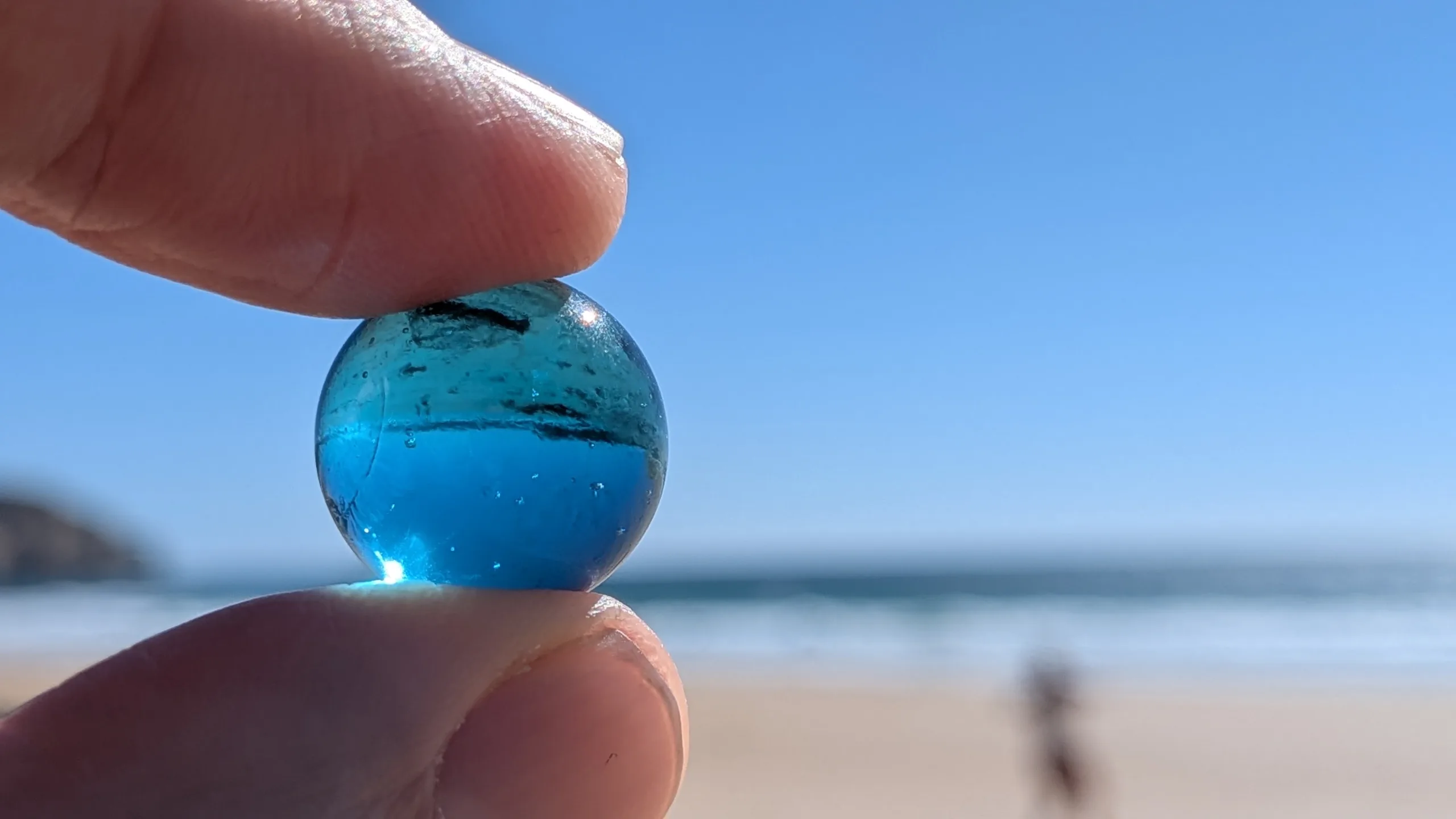
The blue marble exercise is a small example of how we work. You hold something solid, cool, and blue in the hand. The attention narrows. The body follows. It sounds simple because it is. The river does something similar, at scale.
You already know
both states.
Red Mind is the familiar state of high-alert busyness. The mind three steps ahead of the body. The sense of being permanently slightly behind. Most people do not notice they are in it until they are briefly out of it.
Blue Mind is what happens when the nervous system settles. Attention widens. The body stops bracing. Research indicates it is not passive, not empty, and not a retreat from the world. It is a different quality of engagement with it.
The shift happens reliably near water. The workshop makes it intentional, structured, and something you can return to on your own.
This workshop is for
a specific kind of person.
The SUP coaching is real
The river is the setting, not the subject. But James is an ASI Technical Coach, and the paddleboard coaching woven through the day is the same standard as any other Wittering SUP experience. You will learn to paddle well. The difference is that technique serves the experience rather than being the goal of it.
This is not therapy
This workshop is psychoeducation and practice-based learning. It draws on clinical tools but it is not clinical treatment. If you are currently experiencing a significant mental health episode, speak to your GP first. For most people in ordinary states of busyness and depletion, it is entirely appropriate.
You leave with something to keep
The practices you learn are recorded and yours to take home, guided by James. They are small, repeatable, and need no river once you know them. What you do with them through the weeks that follow is where the real work happens.
Everything you need
is part of the £165.
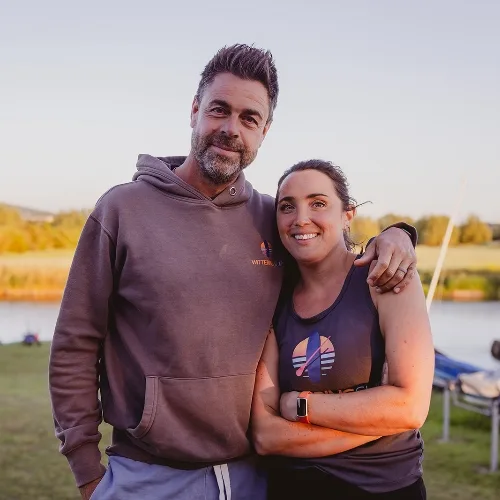
James founded Wittering SUP and Wittering Wellbeing on the River Avon in Worcestershire. For the past several years he has worked with the science of Blue Health and mindfulness in the place he knows best: beside the water.
He is a qualified MBCT teacher trained through the Oxford Mindfulness Foundation, and has developed Blue Health programmes for the Academy of Surfing Instructors, delivering workshops to instructors internationally. He is also an ASI Technical Coach, one of a small number in the UK.
His approach is direct, evidence-grounded, and sceptic-friendly. The workshop reflects this: specific claims, honest caveats, and a practical focus on what people can actually use. No spiritual language, no promises the evidence does not support.
What you need
to know before you book
10% off at Revill's Farm Shop next door. For paddlers.
Hot drinks, cakes, and a proper lunch are right next door if you would rather not bring your own. Show your booking confirmation at the till.
Things people
usually ask
Pick a Saturday.
Eight places.
The group is limited to eight people. This is not a marketing decision. It is what the day requires: a small group on a quiet river, enough space for individual attention, and a group that functions as a group.
If you have questions before booking, please ask. This workshop is a meaningful investment of time and money and we want you to arrive knowing what to expect. Call or email first if that would help.
Questions: 07850 938 255
Email: bookings@witteringsup.co.uk